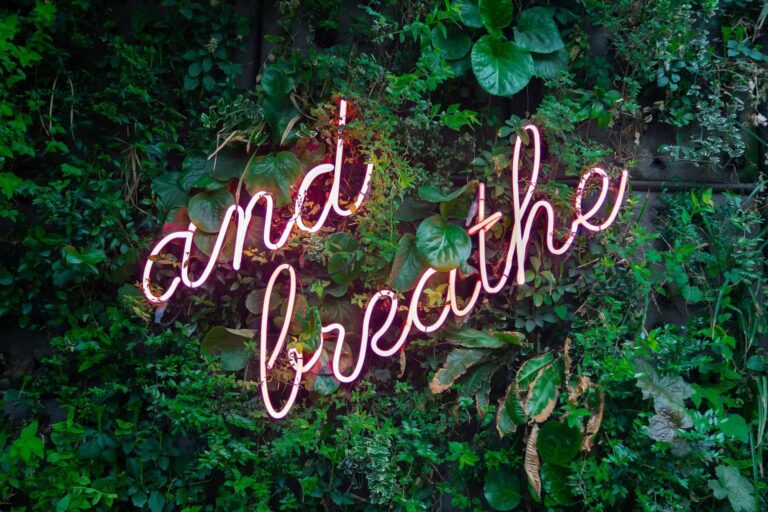
Why Your Week Feels Like A Blur (And How To Feel More Present Without Changing Your Schedule)

If your weeks fly by and you can barely remember what you did, the problem usually isn’t that life is “too busy”—it’s that your attention is constantly fragmented. When you bounce between tabs, notifications, and quick tasks all day, your brain never fully registers moments as “complete.” The result is the same: less presence, more stress, and days that feel like they disappear.
The fix isn’t doing more memorable things—it’s slowing your attention down on purpose. When you reduce constant input, build a few “pause points,” and create one simple weekly anchor, your days feel longer, clearer, and far more satisfying.
The many ways presence improves memory, mood, and daily satisfaction.
Feeling present is less about meditation and more about rhythm. When your day has no transitions, your brain stays in task-switching mode. When you add small boundaries—like a reset between activities, a short walk, or a single “highlight” moment—your mind processes the day instead of racing through it.

Think of your attention like a camera. When you stop moving for a moment and actually focus, the picture becomes clearer—and you remember it later.
Below are three simple “pillars” for feeling more present: reduce input, create pause points, and use one weekly anchor that gives your week structure.


1. Less input in the morning makes the whole day feel clearer.
When you start the day with rapid input—news, messages, social feeds—your attention gets scattered immediately. Your brain stays reactive and keeps chasing the next thing. A low-input start (even 10 minutes) makes it easier to focus and easier to actually remember your day.
“Presence isn’t about doing less—it’s about giving your attention fewer places to go. A calmer start makes the day feel longer.”
Mia Reynolds
Try delaying input for the first 15 minutes: water, light, and one clear plan. You’re not “missing out”—you’re buying back your attention.


2. Pause points make your day feel slower (in a good way).
Days blur when there are no transitions. You go from task to task without a breath, and your brain doesn’t “store” moments properly. The solution is sequencing: add tiny pause points that let your mind close one chapter before the next begins.
1. Before switching tasks, take three slow breaths and reset posture.
2. Do a 2-minute walk or stretch between blocks of work.
3. Eat at least one meal without a screen, even if it’s short.
4. Use a “done list” so your brain registers what you finished.

These pauses don’t need to be dramatic. The goal is simply to create “edges” in your day so your brain can process what just happened—and fully arrive in what’s next.
Do your weeks feel like they disappear?
I started adding tiny ‘pause points’—a 2-minute walk between work blocks and one screen-free meal. It sounds small, but my days stopped blurring together and I felt calmer by evening.

3. One weekly anchor makes your life feel less rushed.
Weeks blur when every day is the same shape. A weekly anchor creates contrast—something your brain can locate in memory. Pick one recurring moment (a walk, a meal, a reset hour, a class) that happens no matter what, so your week has a “marker.”

Choose an anchor that feels enjoyable, not like another chore.
Keep it small: 30 minutes is enough to create a weekly “marker.”
The goal is rhythm—something that makes your week feel structured.
Want a simple rule? Lower input, add pause points, and create a weekly anchor. That’s how you feel more present—without changing your schedule.