
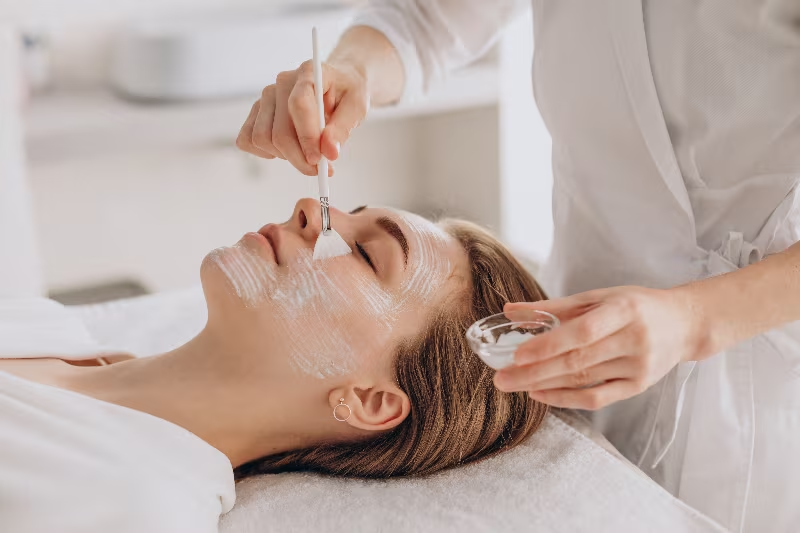
If your skincare routine is packed with powerful acids, retinols, and scrubs, but your skin still feels irritated, red, or reactive, the problem usually isn’t that the products aren’t working. It’s that you might be asking your skin to do too much. The result is the same: a compromised skin barrier that leads to sensitivity, dryness, and breakouts you can’t seem to fix.
The fix isn’t adding another powerful active—it’s focusing on repair. When you prioritize rebuilding your skin’s natural defense system, your moisture barrier, your other products become more effective and your skin finally finds its calm, healthy balance.
The many ways a healthy skin barrier supports long-term skin resilience and glow.
Your skin barrier is the outermost layer of your skin. It’s a wall designed to keep moisture in and keep irritants, pollution, and bacteria out. When it’s damaged by over-exfoliation, harsh cleansers, or environmental stress, it develops tiny cracks, leading to a host of problems that no amount of serum can fix on its own.
Think of your barrier like the foundation of a house, not just a wall to be scrubbed. When you nourish it first, you get a clearer picture of what your skin truly needs—and what products are actually helping.
- This Common Cleansing Mistake Is Secretly Damaging Your Skin Barrier
- 3 Soothing Ingredients That Help Repair a Compromised Barrier
- 5 Signs You Are Over-Exfoliating Your Skin (And How to Fix It)
Below are three simple “pillars” for barrier repair: simplifying your routine, adding hydration and lipids, and protecting your skin from further damage.
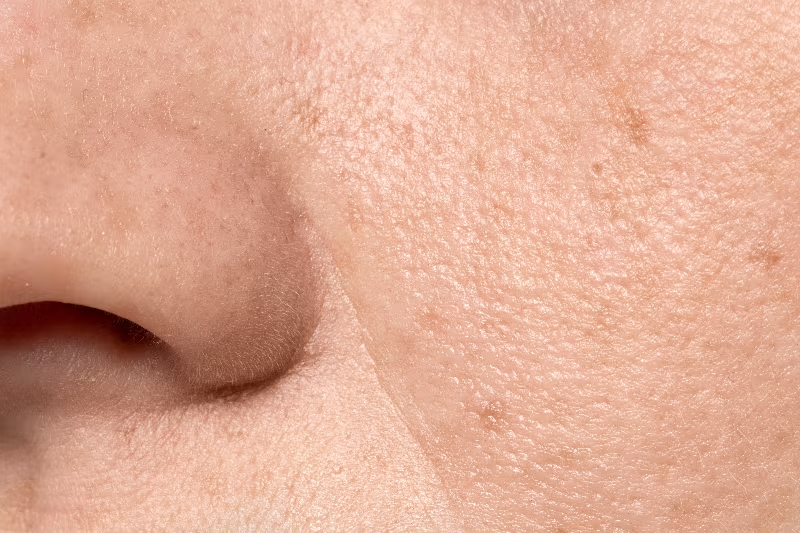

1. ‘Skinimalism’ can heal your barrier faster than adding more products.
A damaged barrier doesn’t need more active ingredients—it needs a break. Stripping your routine back to the essentials (a gentle cleanser, a hydrating moisturizer, and sunscreen) removes potential irritants. This simple reset is the easiest way to give your skin the space it needs to heal itself, without changing anything else.
“When a patient comes in with sudden sensitivity or redness, the first thing I recommend is a ‘skin fast’—just cleanser, moisturizer, SPF. Nine times out of ten, the irritation clears up because we’ve removed the barrier-disrupting culprits.”
Dr. Lena Hanson
Give your skin a break from all exfoliants (acids, scrubs) and retinoids for at least two weeks. Focus only on cleansing gently, moisturizing, and protecting. This allows the barrier to begin its natural repair process.


2. Hydration and lipids are the materials your skin uses to rebuild.
A damaged barrier is leaking moisture. The most useful approach is to replenish it with ingredients it recognizes: humectants to draw in water and lipids to seal the cracks. Look for products with ceramides, hyaluronic acid, glycerin, and niacinamide to actively support the repair process.
1. Use a hydrating, milky cleanser instead of a foaming one.
2. Apply moisturizer to damp skin to lock in hydration.
3. Look for ‘barrier repair’ or ‘ceramide’ on the label of your moisturizer.
4. Avoid hot water when washing your face, as it can strip natural oils.

Once you start actively hydrating and nourishing, your skin feels less tight and looks plumper. This isn’t just a temporary fix; you are providing the literal building blocks your skin needs to repair its own defenses and become more resilient.
Do you feel like your skin is always irritated?
I was using a different acid every night and my skin was a mess. I cut everything out except a gentle cleanser and a ceramide cream, and the difference was incredible. My redness is gone and my skin actually feels comfortable.
 Jenna R.Reader
3. Sunscreen is your barrier’s most important shield against future damage.
UV radiation is one of the biggest sources of barrier damage. If you’re working hard to repair your skin at night but leaving it unprotected during the day, you’re taking one step forward and two steps back. Daily sunscreen is non-negotiable for protecting your healing progress and preventing future issues.

Apply a broad-spectrum SPF 30 or higher every single morning, even on cloudy days.
Choose a mineral-based sunscreen (zinc oxide) if your skin is very sensitive and reactive.
Reapply if you’re outdoors for extended periods, sweating, or after swimming.
Want a simple rule? Simplify, hydrate, and protect. That’s how your skin becomes resilient and healthy rather than reactive and irritated.